
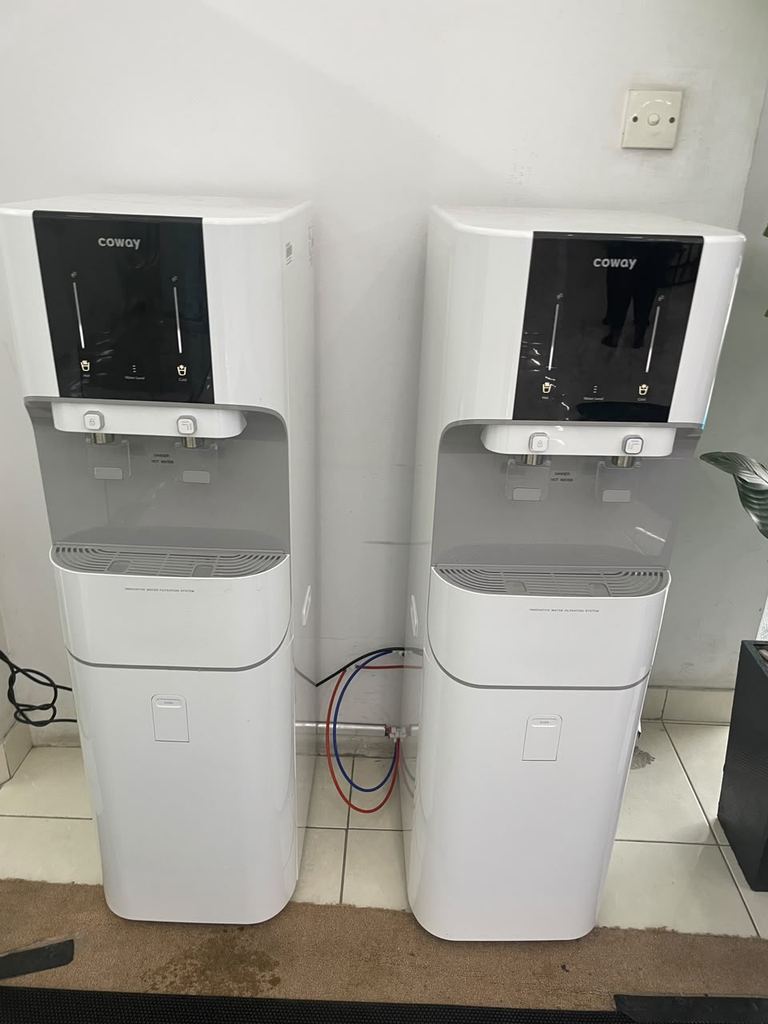
President University is dedicated to maintaining a sustainable, healthy, and inclusive campus environment for all students, faculty members, administrative staff, and visitors. As part of its alignment with Sustainable Development Goal 6 (Clean Water and Sanitation) and SDG 12 (Responsible Consumption and Production), the university enforces institutional measures under Rector’s Decree No. 096.A/Skep1-R/Sustainable.Life/VII/2024 to guarantee free, safe, and unlimited access to clean drinking water across all university-managed premises.
By offering comprehensive drinking water infrastructure, President University ensures daily hydration needs are met without financial burden, while simultaneously driving a culture of environmental responsibility by curbing reliance on single-use plastic bottles.
Campus Drinking Water Infrastructure and Distribution
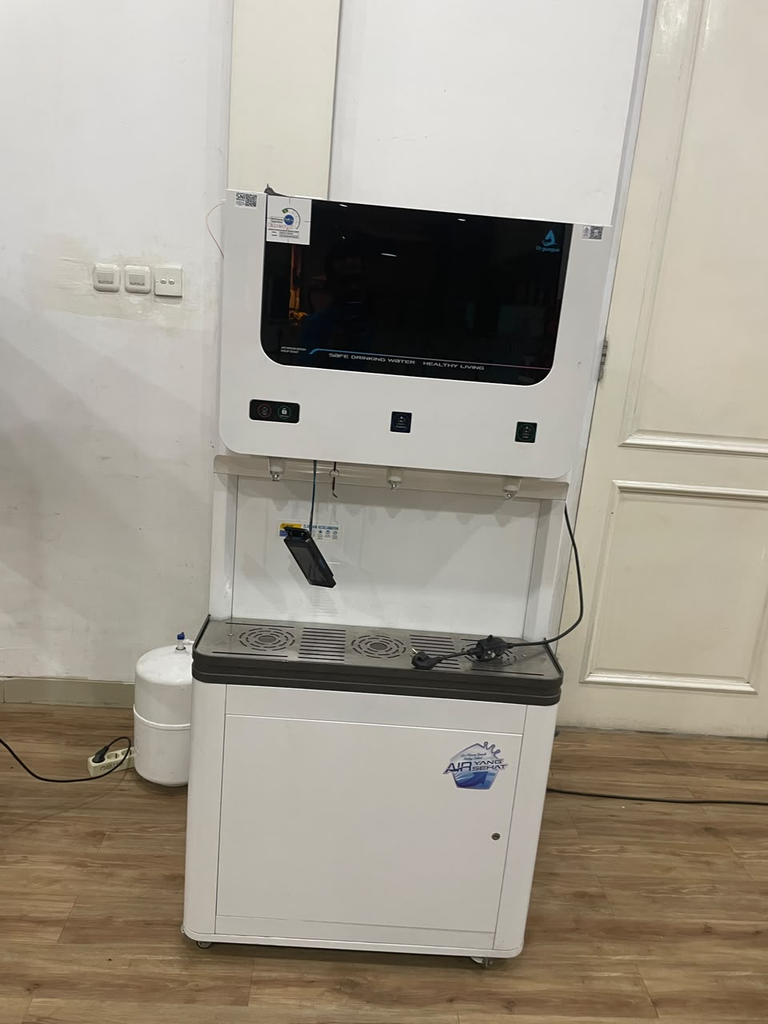
To accommodate daily academic, administrative, and residential activities, drinking water stations are strategically placed throughout the campus grounds and housing facilities:
- Academic and Administrative Hubs (Building B & PUCC): High-traffic locations—including Building B classrooms, administrative offices, and the President University Convention Center (PUCC)—are equipped with commercial-grade Coway Water Purifiers and Advance Water Filtration Systems. These units feature advanced multi-stage filtration technology (including Reverse Osmosis and UV sterilization) to deliver continuous hot, cold, and ambient purified drinking water directly from controlled water lines.
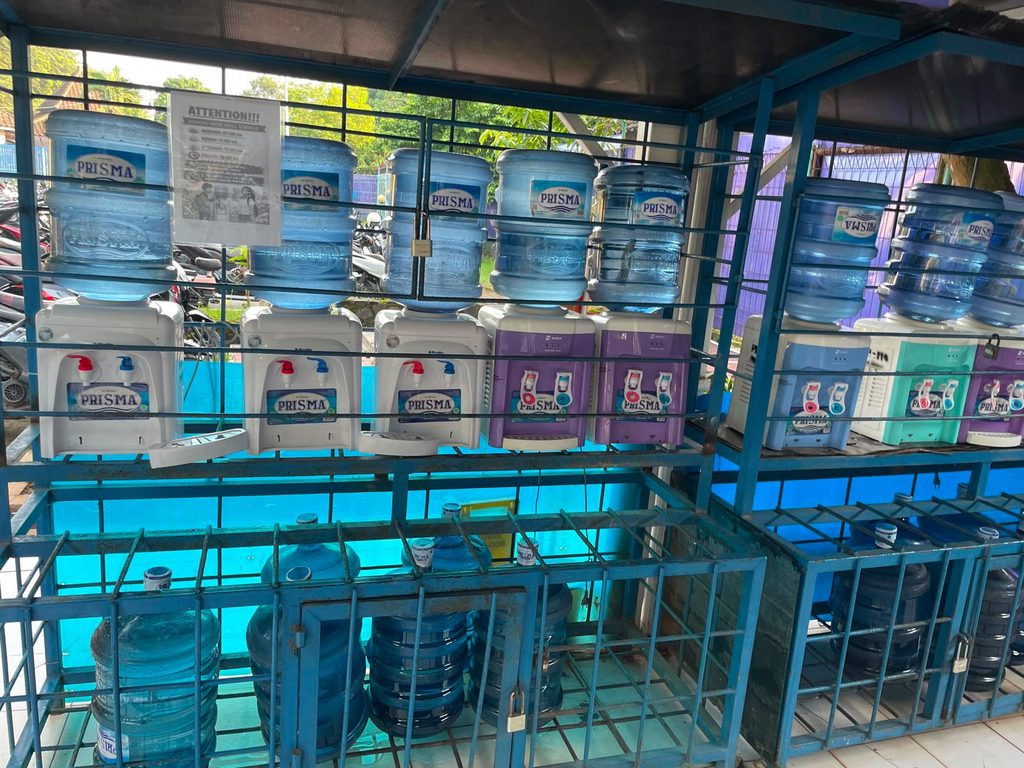
- President University Student Housing (Dormitories): Recognizing the round-the-clock hydration needs of residential students, dedicated Gallon Water Dispenser Stations are established across dormitory blocks. These communal refill hubs provide continuous, free access to clean drinking water with scheduled daily replenishment, ensuring students residing on campus have safe drinking water within immediate reach.
- Public and Event Spaces: Visitors, external guests, and seminar attendees at university convention halls and sports facilities have unrestricted access to these filtration stations, eliminating the need to purchase packaged bottled water during campus events.
Water Quality, Safety, and Maintenance Standards
The safety and quality of drinking water provided across campus are managed under strict institutional protocols:
- Multi-Stage Filtration & Purification: System units utilise advanced sediment filtration, pre/post-carbon block filtration, and membrane technologies designed to remove micro-impurities, chlorine, and heavy metals, ensuring safe consumption standards.
- Routine Maintenance & Filter Replacement: The Infrastructure and Facilities Department conducts regular sanitation checks, filter cartridge replacements, and water quality testing across all Coway, Advance, and gallon dispenser stations to guarantee compliance with national drinking water standards.
- Hygiene and Sanitation Controls: Refill areas undergo routine cleaning and surface disinfection to maintain high hygienic standards, preventing cross-contamination in high-volume usage areas.
3. Environmental Impact: Reducing Single-Use Plastics
The provision of free drinking water serves as a core operational strategy to reduce plastic pollution generated on campus:
- Promoting “Bring Your Own Bottle” (BYOB): Students and staff are actively encouraged to carry reusable tumblers, normalizing sustainable daily habits across the university community.
- Waste Reduction: By replacing single-use plastic water bottles with fill-on-demand purification stations, President University significantly decreases solid plastic waste entering local municipal waste streams and landfills.
- Supporting Carbon Footprint Reduction: On-site water filtration minimizes emissions associated with the transportation, packaging, and supply chain logistics of bottled beverages.